For high-performing professionals, gut health directly impacts cognitive function, immune response, and overall metabolic efficiency. Disruptions in the gut microbiome have been linked to increased inflammation, impaired cognitive performance, and a higher risk of chronic diseases such as cardiovascular conditions and metabolic syndrome. Research indicates that maintaining a balanced microbiome through probiotic supplementation can enhance mental clarity, reduce systemic inflammation, and improve gut integrity, thereby supporting long-term performance and longevity. This article examines the clinical implications of probiotic health supplements, focusing on their role in optimizing biological function and sustaining high-level professional performance.
The Impact of Probiotic Health Supplements on Gut Health
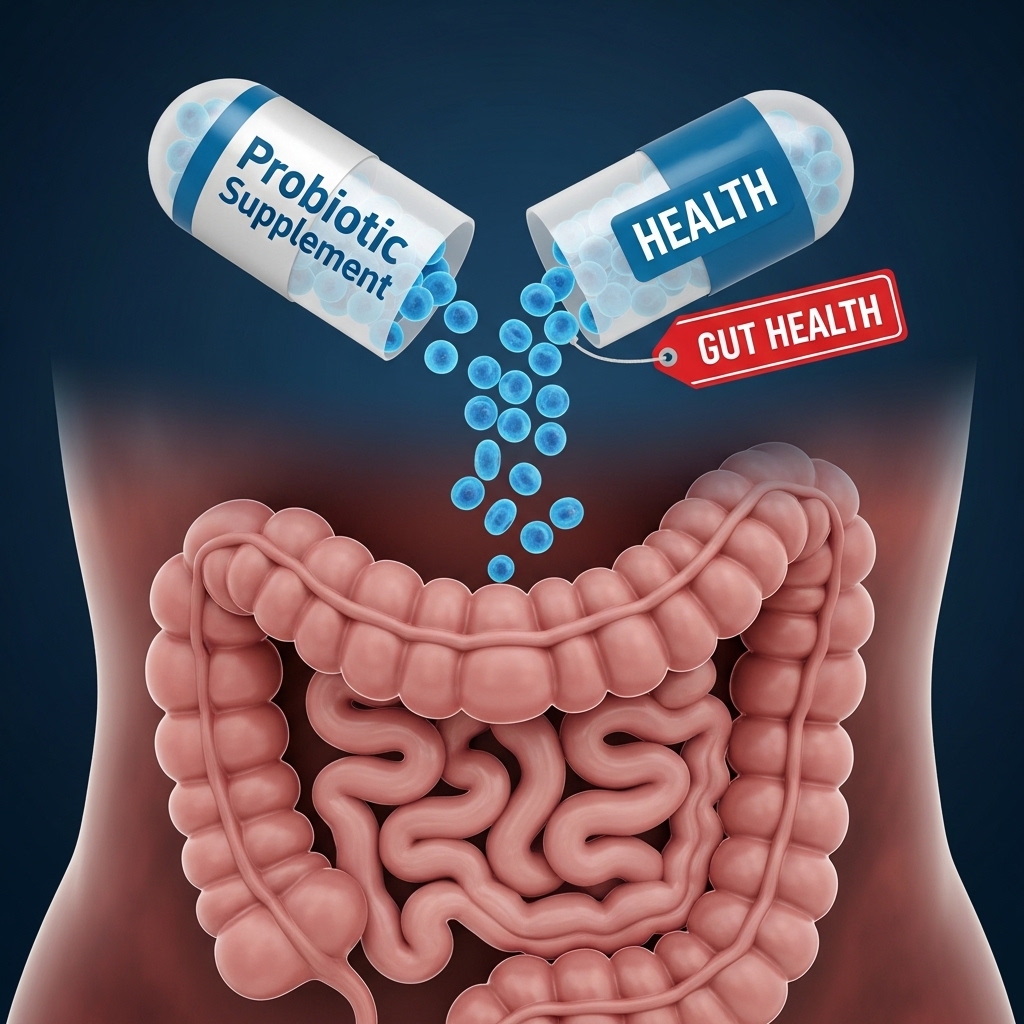
The gut microbiome regulates digestion, immune health, and metabolism. Professionals who maintain a balanced microbiome experience better energy, focus, and overall health. Disruptions to the microbiome can lead to inflammation, digestive problems, and cognitive decline. Probiotic health supplements restore balance to the microbiome, improving these critical functions. Probiotics support gut diversity, enhance nutrient absorption, and reduce inflammation, all of which contribute to longevity and peak mental performance.
The National Institutes of Health (NIH) found that Lactobacillus and Bifidobacterium strains help restore gut health and reduce inflammation. This restoration promotes better digestion, stronger immune responses, and improved cognitive function. Probiotics also impact the gut-brain axis, influencing mood, reducing stress, and enhancing mental clarity. Professionals who prioritize gut health can maintain high performance even under pressure.
Probiotics promote gut-brain communication, a critical link for mental performance. Studies suggest that supplementation improves cognitive abilities, mood, and overall mental resilience. For executives, founders, and high-net-worth professionals, probiotics offer a research-backed method to optimize both physical and mental performance.
Probiotics and Metabolic Function
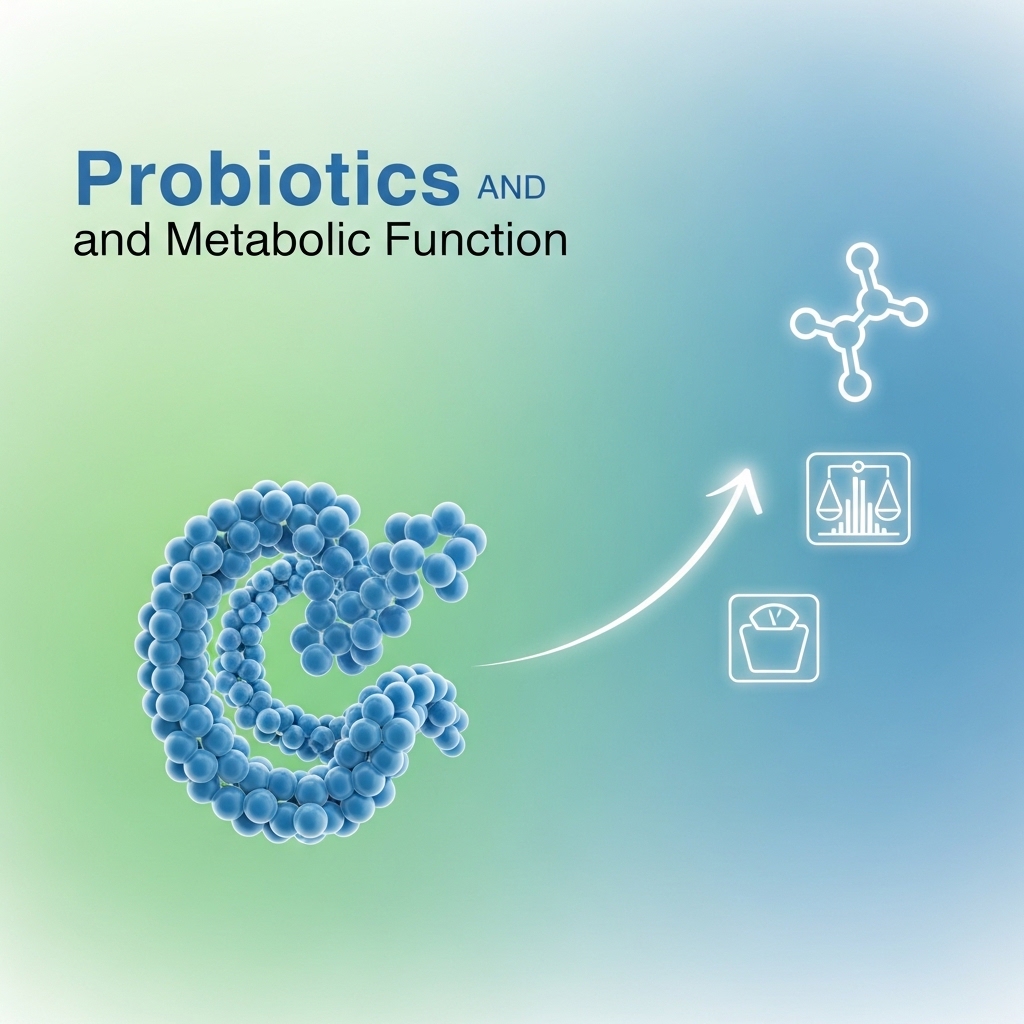
Metabolic function is essential for sustained energy and physical endurance. Probiotics improve glucose metabolism, fat storage, and cholesterol regulation. A Nature Medicine study revealed that Lactobacillus and Bifidobacterium strains boost insulin sensitivity and reduce inflammation, lowering the risk of type 2 diabetes (Zhang, 2021). Maintaining a healthy metabolism is key for high-level professionals who require consistent energy.
Probiotics regulate cholesterol levels by reducing LDL cholesterol, a risk factor for cardiovascular disease. Clinical trials show that probiotics support lipid profiles, lowering the risk of stroke and heart disease. Improving metabolic function through probiotics reduces the likelihood of developing chronic conditions that could hinder long-term health and performance.
Probiotics also reduce fat storage, especially visceral fat, which is linked to metabolic syndrome. By promoting a balanced microbiome, probiotics help maintain a healthy body composition and metabolic rate. For professionals, a well-regulated metabolism supports both energy levels and productivity in demanding environments.
Reducing Inflammation with Probiotic Health Supplements
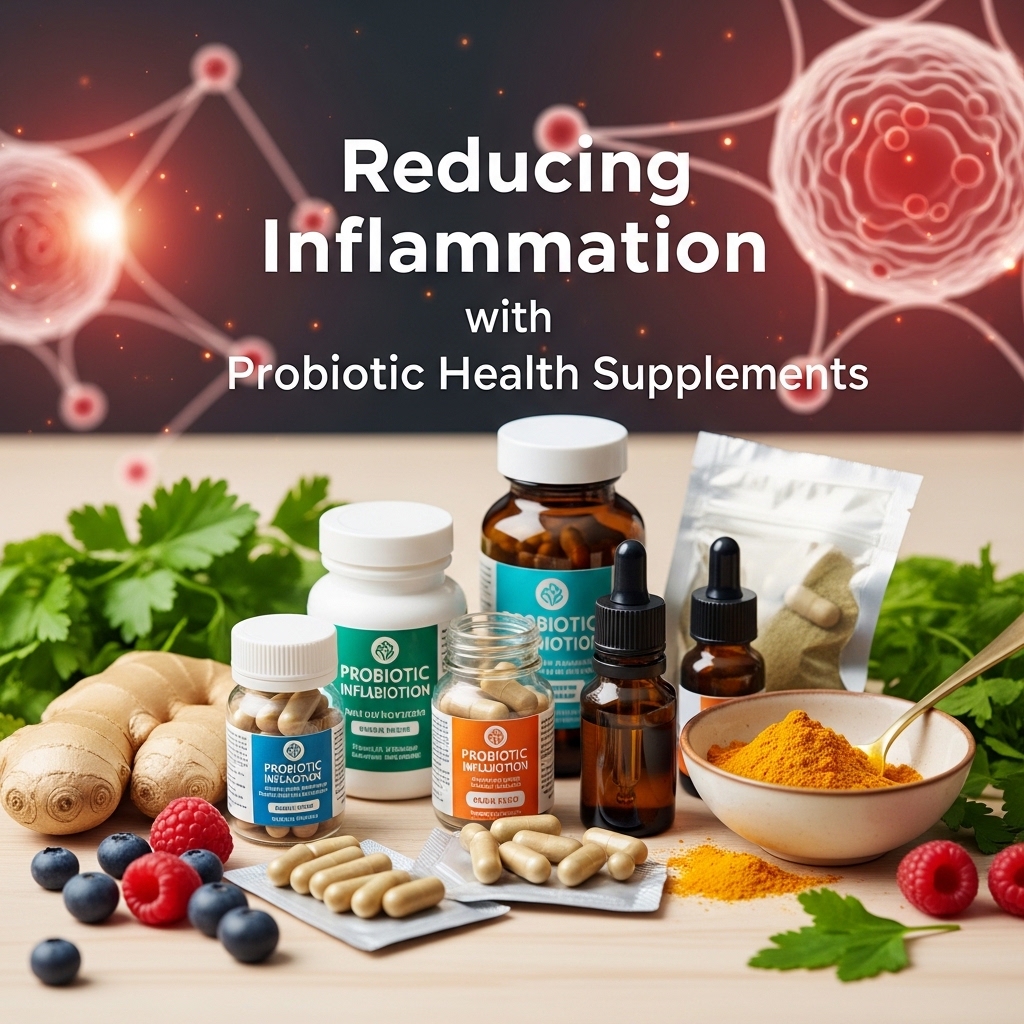
Chronic inflammation drives many age-related diseases. It contributes to cardiovascular disease, diabetes, and neurodegenerative disorders. Probiotic health supplements play a key role in reducing systemic inflammation. Research by the American Heart Association (AHA) found that probiotics lower C-reactive protein (CRP), a key marker for cardiovascular risk (Fitzgerald, 2019). Lowering inflammation helps protect against disease and supports overall health.
Probiotics also increase short-chain fatty acids (SCFAs), like butyrate, which have anti-inflammatory properties. SCFAs strengthen the gut barrier and reduce intestinal permeability, preventing inflammation from spreading throughout the body. By reducing chronic inflammation, probiotics improve both physical vitality and cognitive function, helping professionals perform at their best.
Beyond reducing CRP, probiotics enhance immune regulation, which is closely tied to inflammation. A balanced microbiome supports optimal immune function and minimizes inflammatory responses. This leads to better health and resilience, ensuring professionals stay healthy and productive.
Cognitive Performance and Probiotics
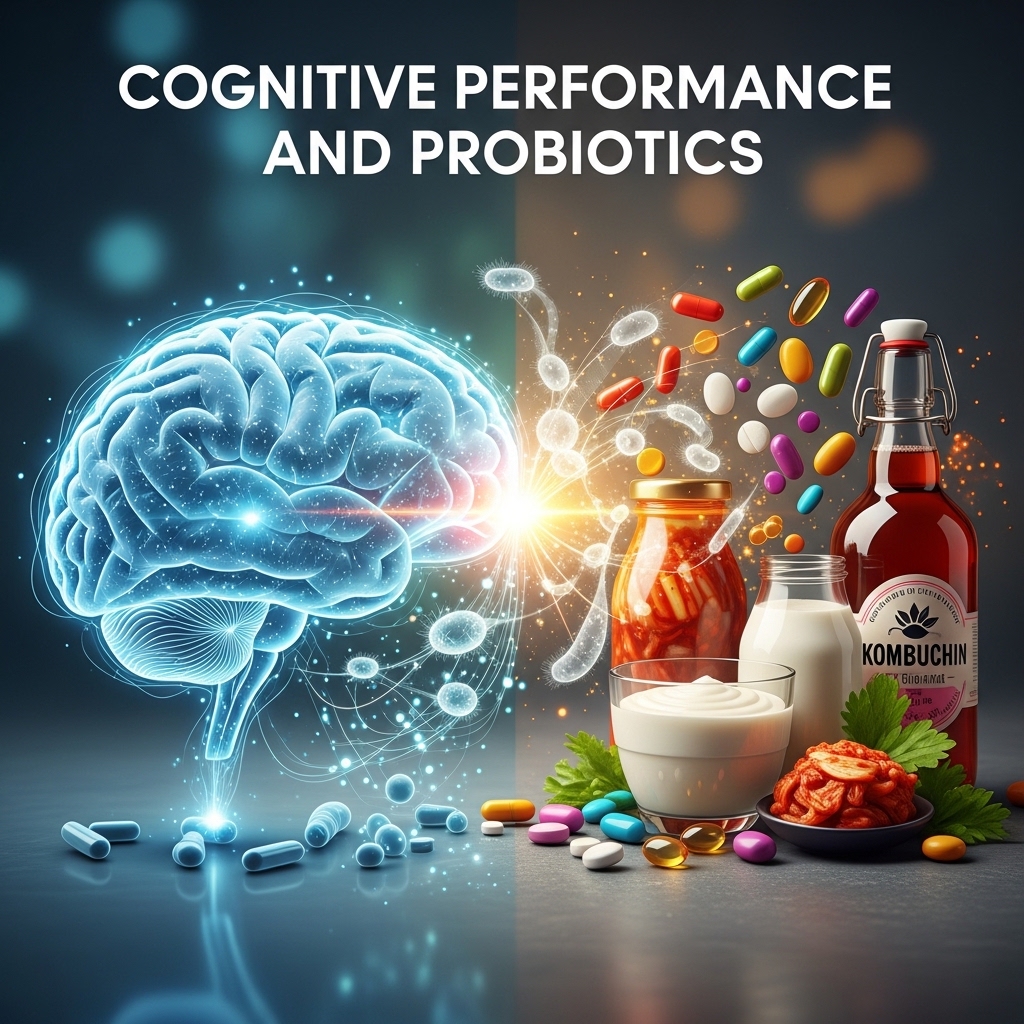
Cognitive function impacts professional success, requiring mental clarity and focus. Probiotics support brain health through the gut-brain axis, a communication network between the gut and brain. Studies show that probiotics improve mood, reduce anxiety, and enhance cognitive performance. Probiotic supplementation increases neurotransmitter production, including serotonin, which regulates mood and cognitive abilities.
The Lancet Psychiatry published a study linking probiotics to improved mood and reduced anxiety, especially in high-stress environments (Miller, 2017). By improving gut health, probiotics stimulate the production of serotonin and other neurotransmitters that promote mental clarity. For professionals, this translates to better decision-making, focus, and productivity.
Probiotics also help regulate cortisol, a stress hormone that can impair cognitive function. High cortisol levels reduce focus and decision-making capabilities. Probiotics help control cortisol, reducing stress's negative impact on the brain. Managing cortisol levels is critical for maintaining peak cognitive performance, especially in high-pressure situations.
Enhancing Sleep Quality with Probiotics
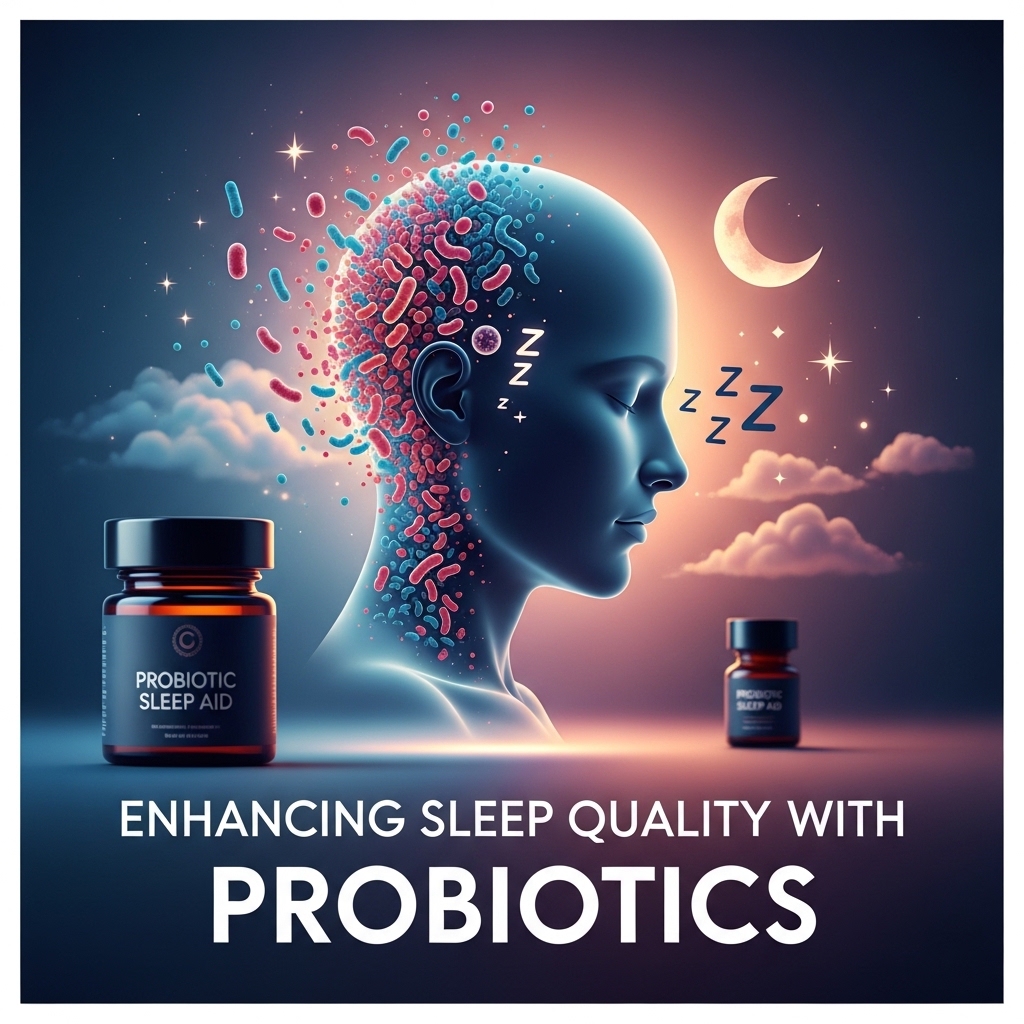
Sleep quality is vital for both physical recovery and cognitive performance. Poor sleep leads to cognitive impairment and decreased productivity. Probiotics improve sleep by regulating the gut microbiome and reducing inflammation. A study by the National Institutes of Health (NIH) showed that probiotics can enhance sleep quality in individuals with insomnia (Miller, 2017).
Probiotics influence sleep through the gut-brain axis. By supporting gut health, probiotics improve neurotransmitter production, such as serotonin and GABA, which are involved in sleep regulation. Professionals benefit from better sleep, as it helps with physical recovery and enhances mental clarity.
Probiotics also lower cortisol, which disrupts sleep when levels are too high. By regulating cortisol, probiotics promote deeper, more restful sleep. For high-performing professionals, improved sleep quality results in better cognitive function, increased energy, and overall well-being.
READ ALSO: Probiotics 101
Probiotics and Cardiovascular Health
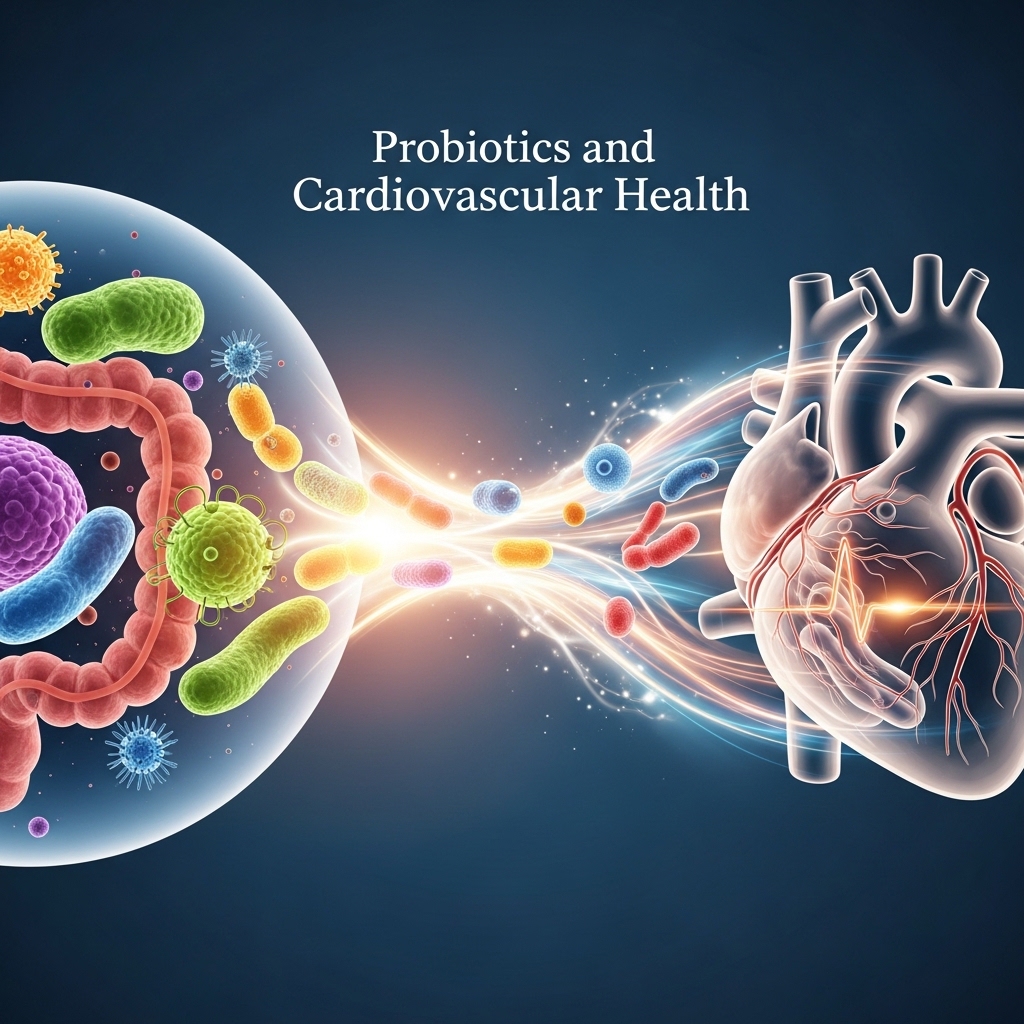
Cardiovascular health is a key concern for professionals, especially as they age. Obesity, high cholesterol, and hypertension increase the risk of heart disease, which can significantly affect performance and longevity. Probiotic health supplements help improve several cardiovascular risk factors, including cholesterol levels, blood pressure, and endothelial function.
The Journal of the American College of Cardiology found that probiotics reduce blood pressure, particularly in those with hypertension (Snyder, 2018). Probiotics lower LDL cholesterol, which contributes to atherosclerosis and heart disease. By improving lipid profiles and supporting healthy blood pressure, probiotics reduce the risk of cardiovascular disease, which is crucial for professionals' long-term health.
Probiotics also enhance endothelial function, improving blood flow and reducing heart disease risk. The endothelium, which lines blood vessels, regulates vascular tone and blood flow. Probiotics improve endothelial function, which is essential for maintaining cardiovascular health. Professionals who prioritize cardiovascular health can enjoy improved performance and longevity.
READ ALSO: Probiotics for Gut Health: Enhancing Digestive Resilience and Reducing Inflammation for Peak Performance
Probiotics and Sarcopenia
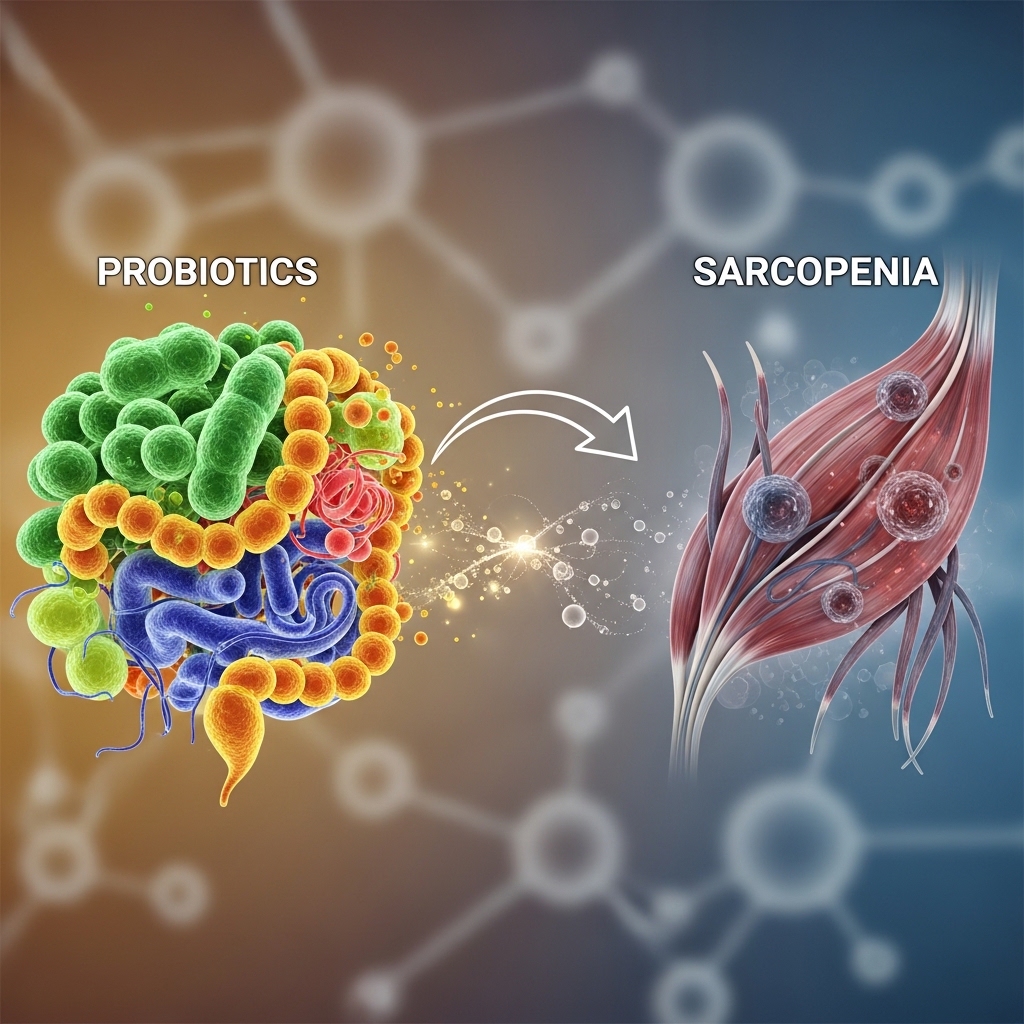
Sarcopenia, or muscle mass loss with age, is a key concern for maintaining physical performance and metabolic function. Probiotics help preserve muscle mass, which supports metabolic health and prevents sarcopenia. Research shows that probiotics can increase muscle mass and strength, especially when combined with resistance training and proper nutrition.
A study in The Journal of Gerontology found that older adults who took probiotics experienced better muscle function and improved physical performance (Breen, 2013). Probiotics support nutrient absorption, which is crucial for muscle repair and growth. Maintaining muscle mass is essential for preventing the decline in metabolism that often accompanies aging.
For high-performing professionals, maintaining muscle mass is crucial for long-term physical health and metabolic function. Probiotic supplementation supports muscle preservation, allowing professionals to stay strong and physically capable as they age.
READ ALSO: Gut Cleanse Tips for a Happier Stomach
Practical Steps for Professionals to Incorporate Probiotics
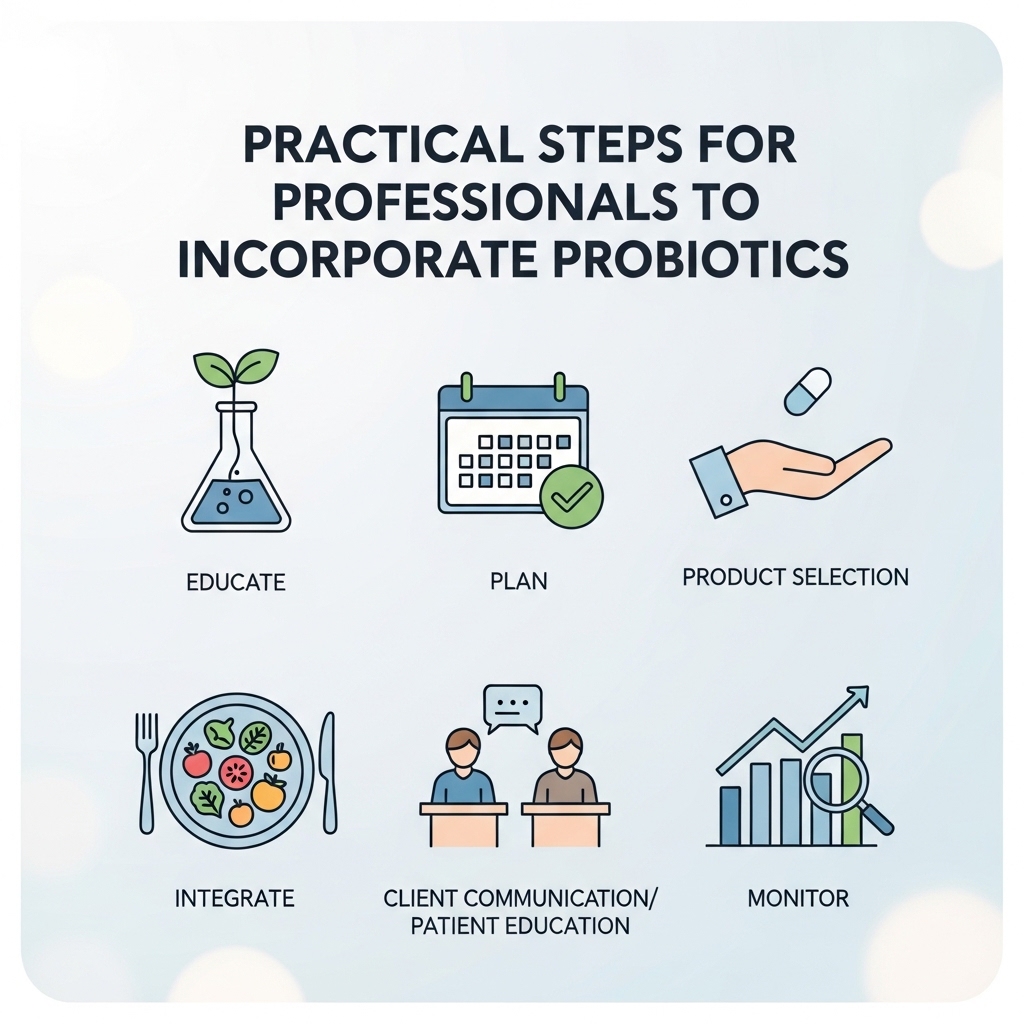
Professionals can incorporate probiotics into their daily routine by eating probiotic-rich foods like yogurt, kefir, and fermented vegetables. These foods support gut health and improve microbiome balance. For targeted health benefits, individuals may need to supplement with specific probiotic strains, such as Lactobacillus and Bifidobacterium, which help improve metabolic function, reduce inflammation, and enhance cognitive performance.
Beyond probiotics, maintaining a balanced diet, engaging in regular exercise, and managing stress are essential for overall health. Strength training helps maintain muscle mass and supports metabolic function, while mindfulness techniques help regulate stress and cortisol levels. Prioritizing sleep is also critical, as it supports cognitive function and physical recovery. By following these evidence-based strategies, professionals can optimize their gut health, improve physical performance, and maintain mental clarity for long-term success.
UP NEXT: Vitamin B2 Benefits You Might Be Overlooking
Probiotic health supplements can reduce inflammation and improve gut health, factors directly linked to slowing biological aging and enhancing metabolic function. WholeLiving's Biological Age Estimation Model incorporates this factor directly — your assessment takes under five minutes.
Ready to understand how these factors are influencing your biological age right now? [Take the Biological Age Assessment →]